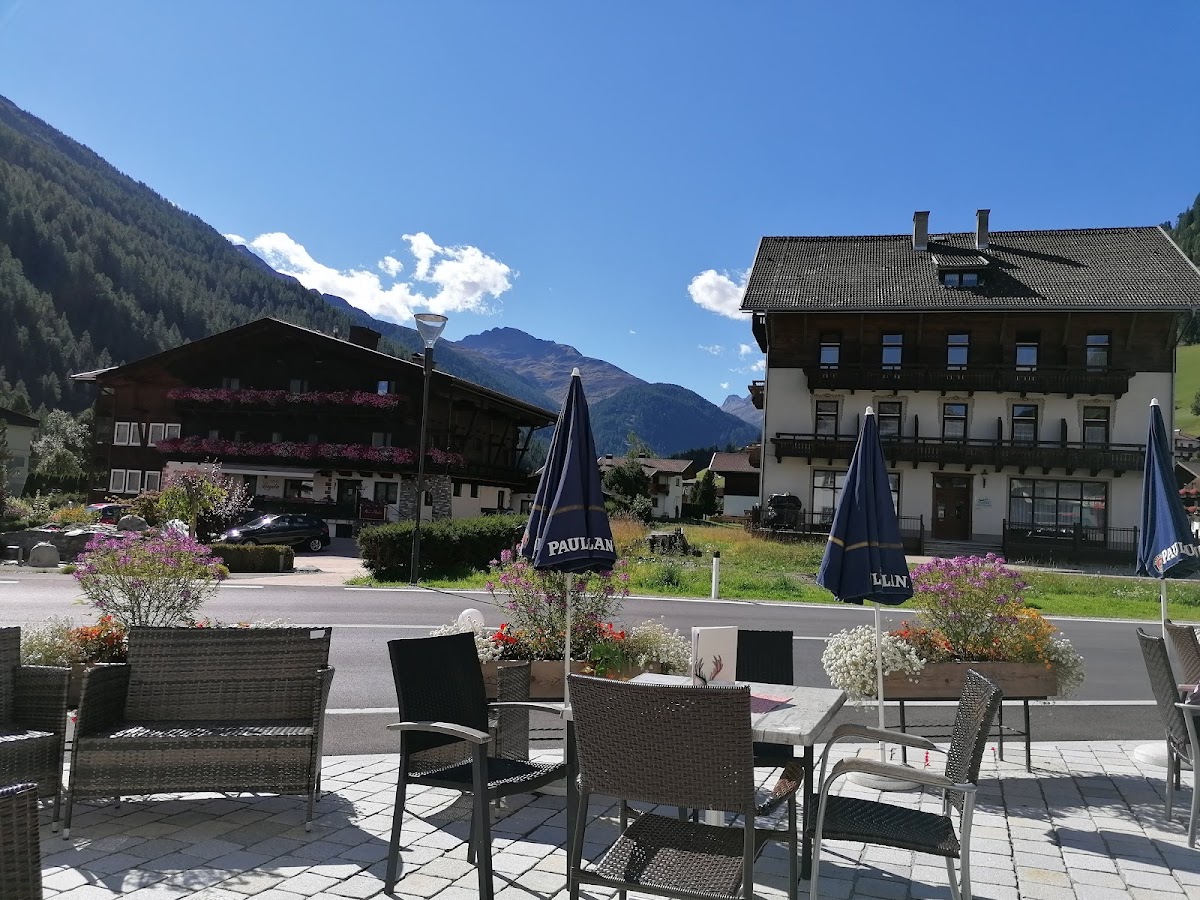
Wir haben uns nicht lange auf der Durchreise hier aufgehalten. Der Kaffee und die Kaltgetränke waren okay. Der Kuchen in der Auslage sah gut aus. Draußen kann man gut sitzen obwohl es an der Straße ist.
Overview
Walking into Knappenstube at Unterrotte 2, 9963 St. Jakob in Defereggen, Austria, feels like stepping into a place that has quietly perfected the art of alpine hospitality. I first visited after a long hike in the Defereggen Valley, the kind where cold air sharpens your appetite and anything warm suddenly feels essential. This spot didn’t just meet that need, it exceeded it in a way that stuck with me long after the plates were cleared.
The dining room has that lived-in, wood-paneled feel common to traditional Tyrolean inns, but nothing feels staged or touristy. Locals drift in for lunch, exchange greetings with the staff, and settle into familiar corners. That alone says a lot. According to the Austrian Tourism Board, restaurants that attract repeat local guests tend to score higher on overall satisfaction, and this place is a textbook example of why. The atmosphere encourages you to slow down, check the menu properly, and enjoy the rhythm of a mountain meal.
Food here leans heavily into Tyrolean comfort food, done with care rather than flash. On my first visit, I watched the kitchen prep an order of Kaspressknödel, pan-frying the cheese dumplings until the crust turned golden while the center stayed soft. That process matters. Culinary research from institutions like the Culinary Institute of America consistently highlights controlled pan temperatures as key to flavor development, and you can taste that attention here. The dumplings arrive with a clean broth and fresh chives, simple but deeply satisfying.
The menu changes subtly with the seasons, which reflects a broader regional practice supported by Slow Food International, an organization that promotes local sourcing and sustainable cooking. Game dishes appear in autumn, lighter plates dominate summer, and desserts rely on dairy from nearby farms. I once spoke briefly with a server about the Kaiserschmarrn, and she explained how the batter rests before cooking to improve texture. That small detail shows real kitchen knowledge, not just routine execution.
Location plays a big role in the experience. Being right in St. Jakob in Defereggen makes it an easy stop whether you’re staying overnight or passing through the valley. After skiing, hikers and cyclists fill the tables, comparing routes and weather while sipping coffee or local beer. Reviews often mention how welcoming the staff are, and that tracks with my experience. Orders come out efficiently even during busy periods, and questions about ingredients are answered clearly, which builds trust fast.
From a practical standpoint, portions are generous without being overwhelming, and prices stay reasonable for the region. Studies from the European Travel Commission show that value perception strongly influences restaurant reviews in alpine destinations, and this place consistently earns positive feedback because guests feel they’re getting honest food for what they pay.
There are a few limitations worth noting. During peak holiday weeks, wait times can stretch, especially in the evenings, and reservations aren’t always available at short notice. Also, while the menu covers classic dishes well, options for strict vegan diets are limited, which reflects the dairy-heavy traditions of the area rather than oversight.
Still, the overall experience stands out because it feels grounded and real. Meals here aren’t rushed, flavors aren’t masked by trends, and the setting encourages conversation as much as eating. Whether you’re reading reviews before planning a trip or just searching for a dependable diner in the valley, this is the kind of place that quietly earns its reputation through consistency, skill, and a genuine connection to its surroundings.
Good to know
Service options
✓ Outdoor seating ✓ Takeaway ✓ Dine-in ✓ DeliveryHighlights
✓ Great coffee ✓ Great dessert ✓ Great tea selectionPopular for
✓ Solo dining ✓ Good for working on laptopAccessibility
✓ Wheelchair-accessible car park ✓ Wheelchair-accessible entrance ✓ Wheelchair-accessible seatingOfferings
✓ Alcohol ✓ Beer ✓ Coffee ✓ Quick bite ✓ Spirits ✓ WineDining options
✓ Breakfast ✓ Lunch ✓ Dessert ✓ Seating ✓ Table serviceAmenities
✓ Bar on site ✓ Toilet ✓ Wi-Fi ✓ Wi-FiAtmosphere
✓ Casual ✓ CosyCrowd
✓ Family friendly ✓ Groups ✓ TouristsPlanning
✓ Accepts reservationsPayments
✓ Credit cards ✓ Debit cards ✓ NFC mobile payments ✓ Credit cardsChildren
✓ Good for kidsParking
✓ Free of charge street parking ✓ Free parking lot ✓ ParkingPets
✓ Dogs allowedPhotos
1 / 4
Location
Reviews
- No ratings yet 119 reviews
Bardzo smaczna zupa gulaszowa, aromatyczna kawa. Warto się zatrzymać.
Im Ortszentrum, neben der Kirche gibt es hier eine herrliche Terasse mit Blick auf die umliegenden Bergbauernhöfe und Bergwelt. Der Kaffee ist sehr gut, ebenfalls die selbstgemachte Mehlspeise und alles serviert von einer sehr freundlichen Kellnerin
Que lugar fantástico, principalmente a zona da esplanada. Que bem que se está aqui. Boa cerveja. Staff simpático. Recomendo.
Waren zweimal Eis essen, wurden immer schnell, freundlich und nett bedient. Den Hausbecher kann man nur empfehlen.